On Equality
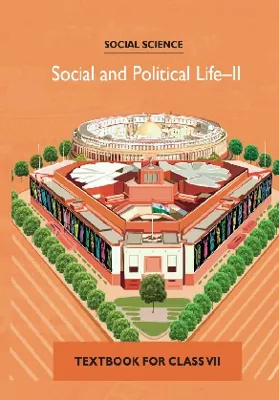
"On Equality" (Chapter 1 of Class 7 Civics – Social and Political Life II) explains how the Indian Constitution recognises all persons as equal regardless of caste, religion, gender, or economic background, and explores the ongoing struggle to make this constitutional promise a reality in daily life.
- 1The Indian Constitution recognises every person as equal regardless of caste, religion, tribe, gender, or educational and economic background.
- 2Four constitutional provisions on equality: equality before the law, non-discrimination on grounds of religion/race/caste/place of birth/gender, access to all public places (playgrounds, hotels, wells, roads, bathing ghats), and abolition of untouchability.
- 3Article 15 prohibits the State from discriminating against any citizen on grounds of religion, race, caste, sex, or place of birth, and guarantees access to publicly maintained places.
- 4The midday meal programme improves school attendance of poor children, reduces the burden on mothers, helps children of all castes eat together reducing caste prejudice, and addresses hunger that stops students from concentrating.
- 5Universal adult franchise gives every adult citizen aged 18 and above the right to vote, irrespective of social or economic background.